22 October 2026
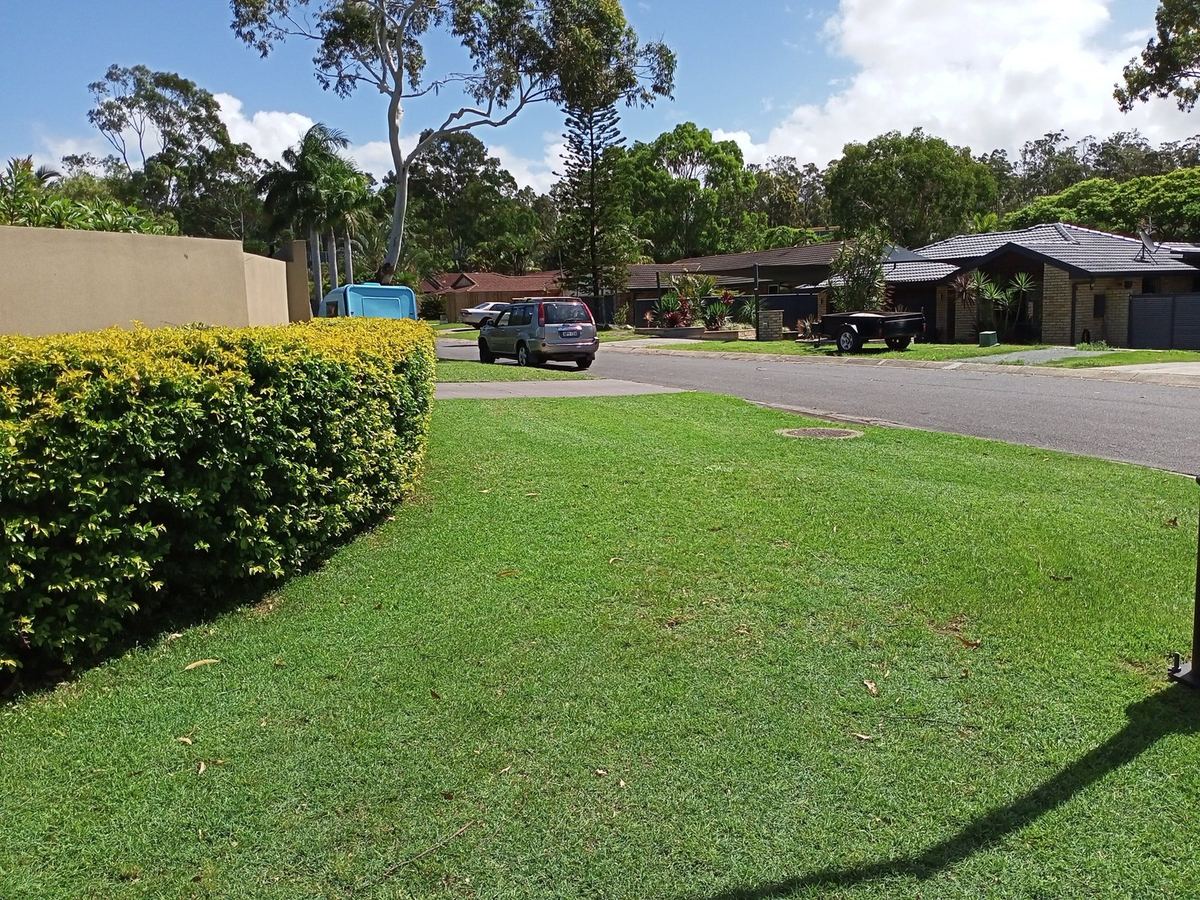
People tend to think of mowing as tidying up, and it is that, but the schedule you keep matters more than any single mow because it changes how the grass grows between visits. A lawn that gets cut on a consistent cycle sends its energy into the roots rather than into a race to get tall again, and that's the difference that shows up six months later when the dry weather hits.
We set the cutting height and the interval together, because one without the other doesn't do much. Cut too short and too often, and you scalp the crown and let weeds and bare patches in. Leave it too long between visits, especially through spring when everything's growing fast, and you end up removing more than a third of the blade in one go, which stresses the grass and leaves clippings sitting thick enough to smother what's underneath. Somewhere in between, cut regularly and not too hard, the lawn builds a root system deep enough to get through a dry January without turning brown.
The valley sits in a bit of a rain shadow, so a lawn here can go from green to stressed quicker than people expect once the north-westerlies set in. A lawn that's been mowed on a steady cycle through spring has deeper roots and handles that stretch better than one that's been left long and then hacked back hard right before the heat arrives. We see the difference on properties we've mowed regularly versus ones we're called into for a one-off tidy after a few months of neglect — the regularly mowed lawn bounces back in days, the neglected one takes weeks and sometimes needs reseeding in the worst patches.
A clean edge along paths and garden beds does more for how a property looks than most people realise, and it's quick to lose if it's skipped even a couple of times. We edge every visit, not every second one. On the clippings, we leave light ones on the lawn to break down and return nitrogen to the soil, and we collect heavier ones so they don't smother the grass underneath — there isn't a single right answer, it depends on the grass length and the time of year.
If your lawn's gotten away from you, that's a different job to a regular mow — we handle both, and we'll tell you honestly which one you're looking at before we start.
Text us a photo of the place and we'll get back to you the same day with a quote. Every job gets quoted on its own.
Prefer email? [email protected]
